
HIV. AIDS. Words, which for most of us, come with their own preconceptions. Since the first officially recognised death in 1969, AIDS (the disease caused by HIV) has now claimed the lives of 36 million people. Human Immunodeficiency Virus (HIV) targets the white blood cells of your immune system (known as CD4 cells), replicating itself inside and eventually killing them. As the number of CD4 cells decline, it becomes harder for your body to fight off infections, ultimately resulting in the development of Acquired Immunodeficiency Syndrome (AIDS).
Curing this disease is no walk in the park; as the virus can stay ‘dormant’ in your cells for long periods of time, conventional techniques like vaccines are just not an option. This is because HIV mutates rapidly, allowing the virus to overcome not only the immune system but novel vaccines as well. So what options are available in the treatment of HIV? Well it’s all about prevention, prepare to hear about the potential of PrEP.
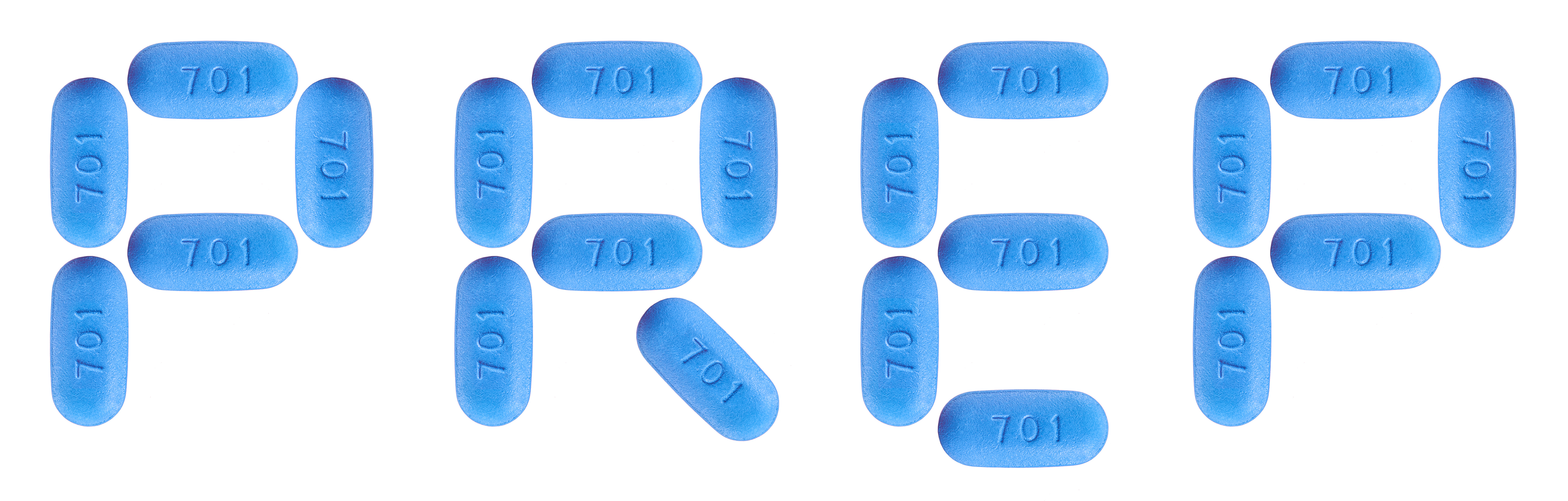
PrEP is far simpler than the complicated name of “Pre-exposure prophylaxis” would suggest. It sets up ‘defences’ in your CD4 cells, which keep HIV from gaining access and replicating. It contains enzyme inhibitors, disguised as nucleotides, which specifically bind to the HIV reverse transcriptase enzyme. This enzyme creates DNA from RNA to hijack host cells and insert the viral genetic code; you can think of it like HIV’s very own professional computer hacker. However, if the virus comes into contact with a person on PrEP, these ‘fake’ nucleotides will be taken up and assembled, instantly stopping reverse transcriptase in its tracks. Not only does this enzyme stop producing DNA, but as reverse transcriptase destroys the very RNA it uses to function during production, the enzyme can’t have another go. It’s like giving a programmer a faulty bit of code; not only does the hack fail, but the whole computer locks down too. In this way, PrEP reduces the risk of contracting HIV from sex by 99%. Very rarely do we ever see such effectiveness in a drug, let alone for a disease that less than 30 years ago, was one of the leading causes of death for American men aged 25 to 44.
Right, so we know it works, but where is it? You know about AIDS, but have you ever heard of PrEP? Why isn’t it on every shelf? When I was in college I produced a piece of work that attempted to answer the question: should PrEP be available on the NHS? The future of this drug was uncertain and so 3 years later, I’ve decided to revisit this question. In 2020, PrEP began being distributed through the NHS for the first time. PrEP can now be accessed at sexual health clinics across England, Scotland and Wales and it is estimated that protection begins just 7 days after the first dose. This is promising, giving hope that in the next 10 years, we could see a significant reduction of UK HIV prevalence. However, reducing global HIV prevalence could be more challenging as awareness of (and access to) PrEP remains low in many parts of the world. A study in the southern United States found that although half of their sample met the criteria for PrEP eligibility, less than 20% had heard of it. HIV-associated stigma remains a barrier to some people’s willingness to take PrEP and is most evident in the continent where it matters most – Africa.
The WHO have reported that Africa accounts for almost 60% of the global new HIV infections. So do they have PrEP? Well, actually yes. Users in sub-Saharan Africa now account for over half of PrEP users worldwide but uptake is still far below what is required to significantly reduce HIV prevalence. This majorly stems from the existence of smaller communities across the continents, who are uneducated about HIV and its relevant treatments. Studies have indicated that people have an expectation of discrimination or prejudice among peers when taking PrEP; a common occurrence in Africa, and more significant when most of your community may also be your family/friends. This HIV stigma, combined with a lack of health infrastructure, has the potential to halt its expansion across the continent. PrEP has a bright future, much of which is already being realised. However, in order to unlock its full potential we need to change not the science, but access to and attitudes surrounding the drug through education, outreach work, and humanitarian investment.
Editor: Adam Nightingale
Sources:
https://www.history.com/topics/1980s/hiv-aids-crisis-timeline
https://www.cdc.gov/hiv/basics/prep/prep-effectiveness.html
https://www.familycareofkent.com/how-does-prep-work-to-reduce-hiv-infections-2/
 Newscleus