

When someone mentions ‘land’ what do you think of? I know personally, land has forever evoked notions of the green pleasant land, of an English countryside littered with cottages which ensues a mosaic of quaintness sprawling across rolling hills. Perhaps it envisages a cold investment for the savvy or a distant Neverland of opulence – idolised as wealth and rarely seen by the everyman. Could it be heritage? A struggle of dispossession? A substrate of identity?
By its very nature, this question is multifaceted. Land means something different depending on the person, the place, the culture. Explorations into land therefore reverberate beyond the material, reaching, at least in part, to a deeper, more poignant subjectivity that is humanly felt. You might think this isn’t true, or at least not for you. But I ask, how do you feel about the place you were born? How about where you live now? How about the space where you had your first kiss, or the scene of your first heartbreak? Space is not just measured in acres, but in memories and emotions which are temporally and spatially bound to the very land on which they are felt.
Yet if we ponder on these landed impressions, humans second to none in their worldwide impact, and consider them alongside the biotic enterprises of every other surrounding flora and fauna – who is the more thoroughly acquainted with the world in which they live? It surely isn’t us.
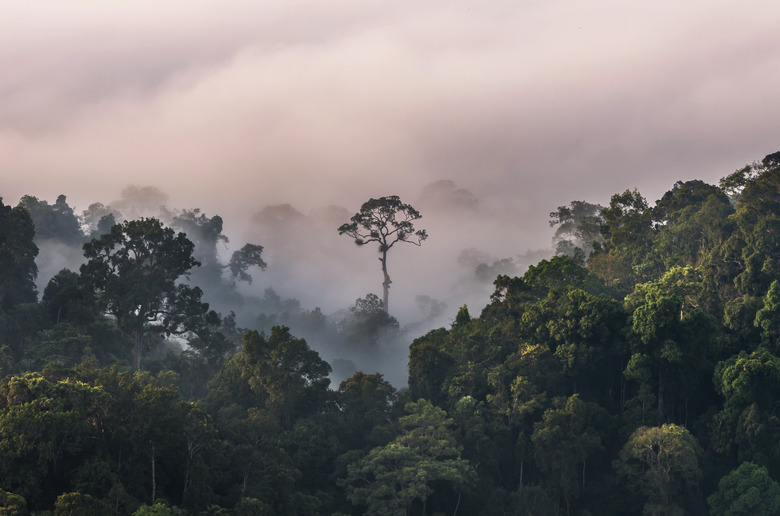
This disconnect with our environment has been a source of consistent struggle in the modern world. But we are forever arguing that we just need to do the ‘right’ things. Manage our environments in such a way that prioritises and rewards the ‘correct’ actions, while punishing the malicious. But it is increasingly becoming my belief that without a suitable attention to the emotive, primal understandings of what it means to be part of nature and therefore land, we are forever using plasters to fix an open wound.
If we humans recognised lands emotive impressionability in a much more intimate way we would understand that nature’s cultivation is a sensitive index made from our biases, not just objective rational actions. They are subject to the will of our affections, our tastes, our loyalties and generosities.
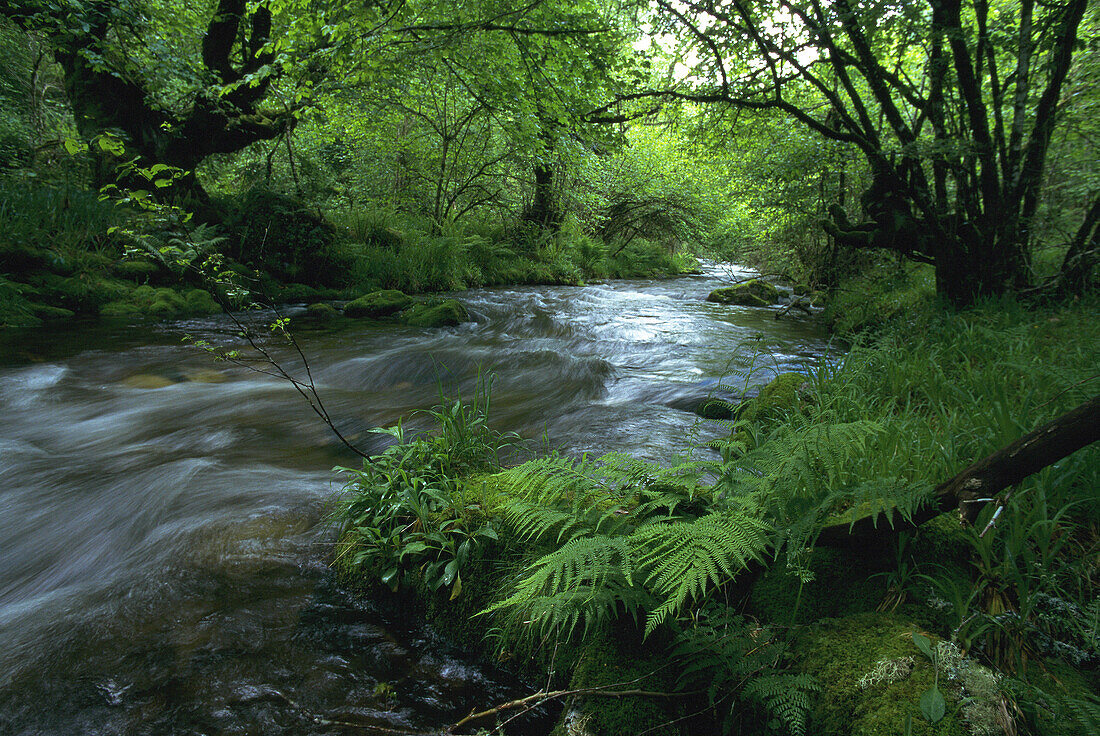
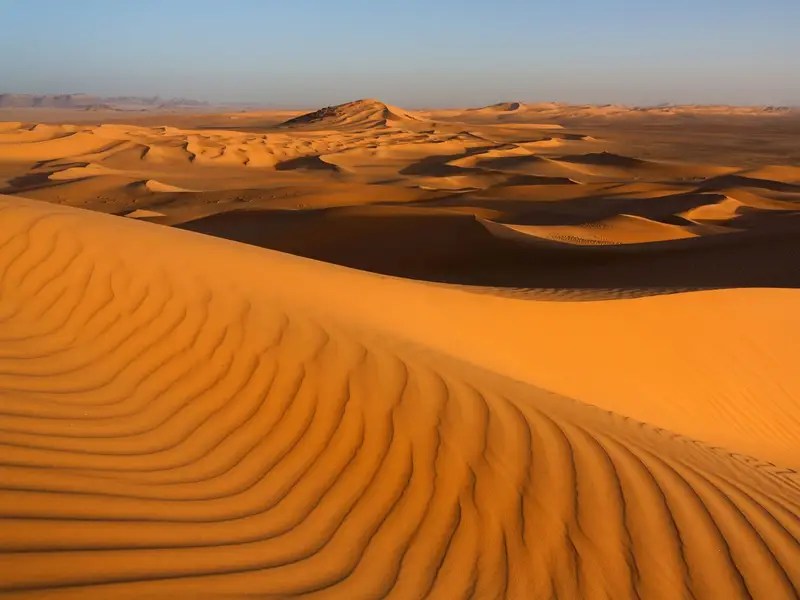
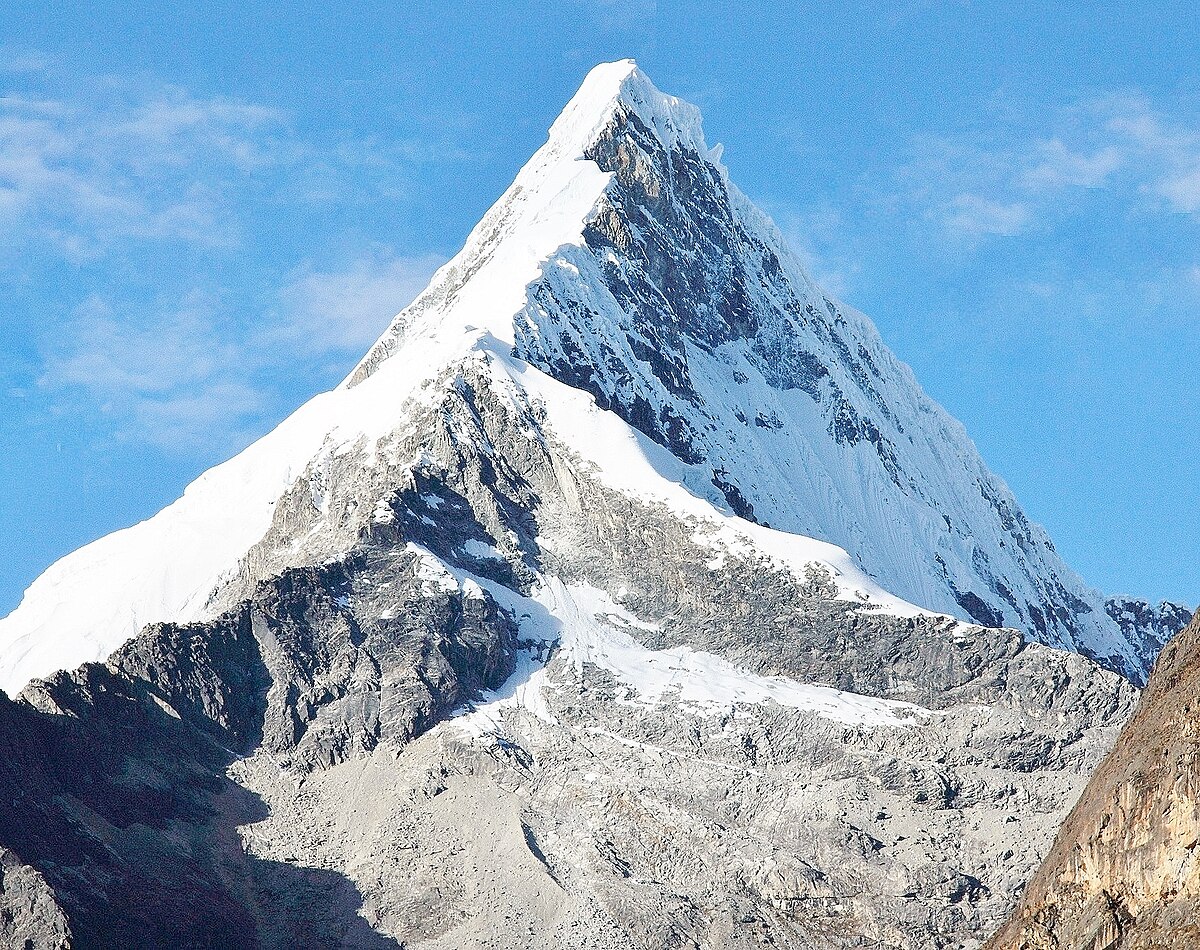

Yet today, land is concreted as a material asset, of economic value and calculable material benefit and so its relationship are as such. We look through our 21st-century glasses to see a pre-ordained patchwork of land polished by price and power. It has been stripped of not only its life-giving essence but its socio-ecological kinship, resulting in humanistic behaviour and attention that is devoid of this intimacy.
Let me try to break down what I mean by these biases, for they are not prejudices; they are the heartfelt expressions of an intimate, emotive connection to the land.
As expressed by Aldo Leopold; the wielder of an axe should look upon their land and foresee, compare, and decide with the calm assurance that their bias will, on the average, prove to be something more than a good intention. True conservation consequnelty is born from a deep, personal, and lived relationship with the land, not just from abstract or rootless virtues. Perhaps the Pine planted with their own shovel creates a feeling of paternity, meaning the surrounding Birch is felled to ensure its survival. Or the Tamarack, a weed to some, but kept by them for it sours the soil and grows the loveliest of orchids in the spring. It is this freedom to bias, this intricate intimacy, that has been replaced in our modern day with categorical, soulless rigidity. An ocean of trees seen in numerical binaries. For a tree farmer who sells their timber for profit has to see their land as an array of dollar signs and as such is their relationship to it. One should be humbly aware that with each stroke of an axe, one is writing a signature on the face of their land. And signatures of course differ, whether in axe or pen, and this is as it should be. A philosophy of this stature would produce not only an ecological pattern of diversity, but a landed relationship built from the heart, a personal expression seen in a socio-ecological landscape.
What I am trying to get at is that you would assume our understanding of the odyssey of evolution, would create a sense of kin-ship with fellow-creatures; a wish to live and let live. But Western models of land ownership, with its borders, artificial mappings and meanings have come to decide how we formulate this kin-ship. Its underlying principles of utility, power, and progress narrates a story that can only be told in one fashion, with only one ending, and no amount of re-writing or editing can change that for the language it is told in can only be such.
So where do we start? To pivot from lands value as utility and re-establishing our instinctual relation to the living world?
I tend to believe that the best way to perceive this intimate quality in nature would begin, as it does in art, with the pretty. How many times have you watched a sunset, yet never been bored? Watched the trees turn golden brown in autumn and vibrant green in the spring. It’s an inherently animalistic feeling of beauty, that can’t be matched by the ‘things’ of our world, it’s an instinctive feeling that runs through us. And so by first perceiving the pretty and subsequently capturing the successive stages of the beautiful, we may eventually reach values as yet uncaptured by our current language and cognitive functions. I think for the moment however, this path to an embodied reciprocity with nature lies in this higher gamut, for now beyond the reach of words.
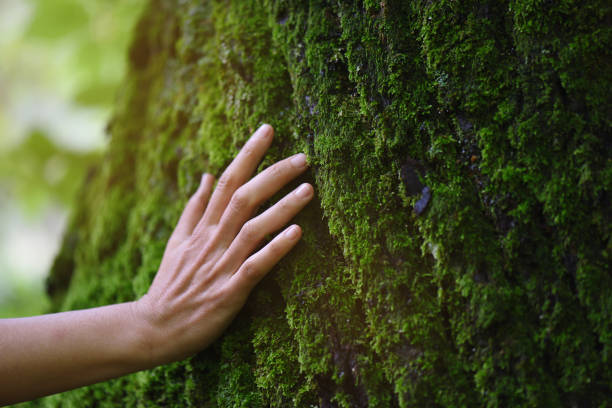
Consequently, we must begin not with an essay, poem, or book but with the physical, embodied practice of relating with the land. We need to practically explore spaces beyond what we ‘know’ and when doing so critically engage not only our environmental cognition but the emotive undertones on which it is based. Asking, what does it feel like?
This engagement into deep ecology, is exactly why modern-day conservationists have begun to turn towards indigenous knowledge and alternative forms of landed understandings. I myself have been enticed by this exploration but it comes with a certain level of caution. As I mentioned, the signatures of one’s expressive relation to the land is subjective and is consequently constructed from one’s own language and culture. It is not good enough to simply ‘adopt’ or even take from another defined heritage for the outcome can be nothing but superficial and extractive. What we can learn however, is a respect for freedom to choose and to build landed connection organically – for to sit and poeticise the importance of land, is seldom the pastime of one with the freedom to do so.
This ‘crisis of relationship’ and lack of autonomy to mend it, was therefore the point of departure for this exploration into Community Land Ownership. A model of land tenure that is underpinned by the notion of collective responsibility and freedom. It theoretically localises autonomy and resource management to the community of place. But in Western contexts where land is highly economically valued and politically sensitive, these points of exploration are hard to come by. This would wholly be the case if it wasn’t for Scotland, which stands alone as one of the few Western contexts in which community land ownership has been immortalised within a legislative framework. What followed was a five-month research journey which led me to the ‘fringes’ of Scotland’s landed communities.
This immersive, place-based exploration was not a way to find definitive ‘answers.’ Instead, it took value from the continuous process of knowledge creation, which in itself is a form of action. Not an academic exercise but a form of resistance. By engaging with community-owned spaces and centralising the local, lived experience of their landed partnership, we may discover the foundational narratives required to reconceptualise our ‘traditional’ socio-ecological relationships.
And so I posed the question – Does a shift in ownership actually change people’s relationships with the land? And if so, what may it mean to ‘Forge a Homeland’?
 Newscleus