
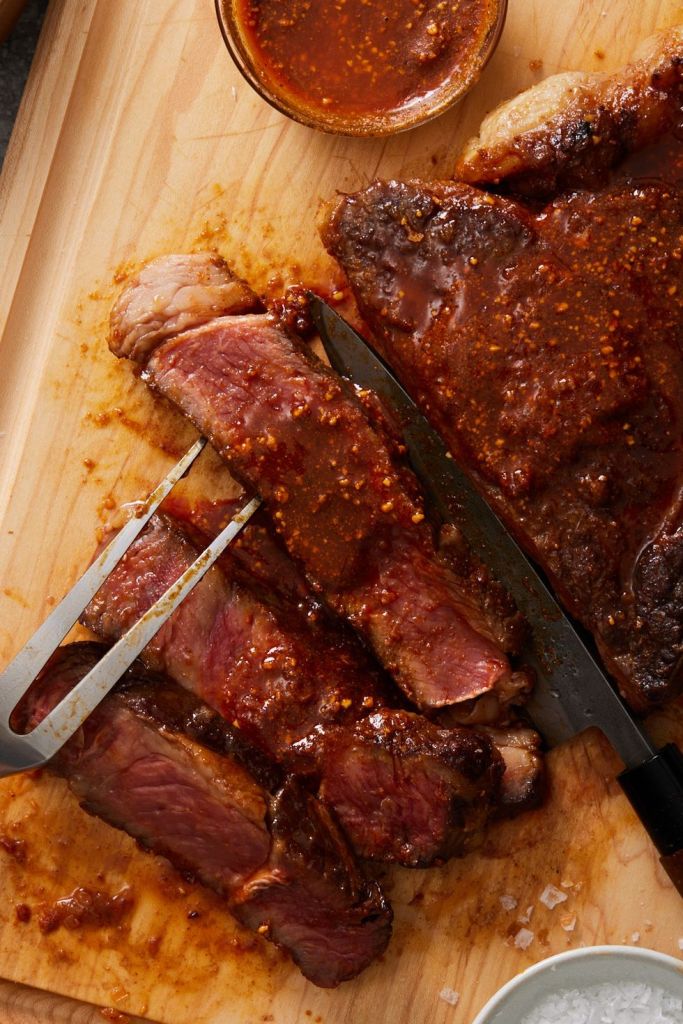
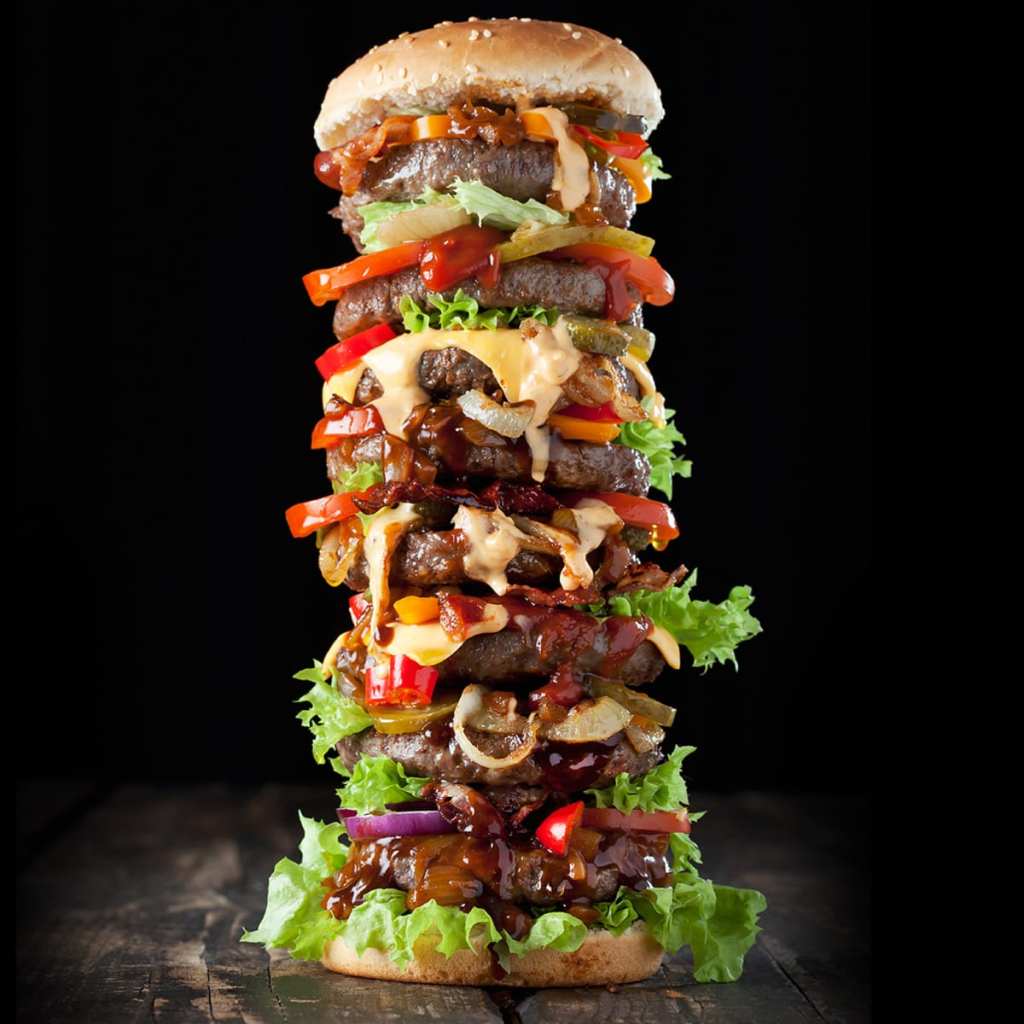
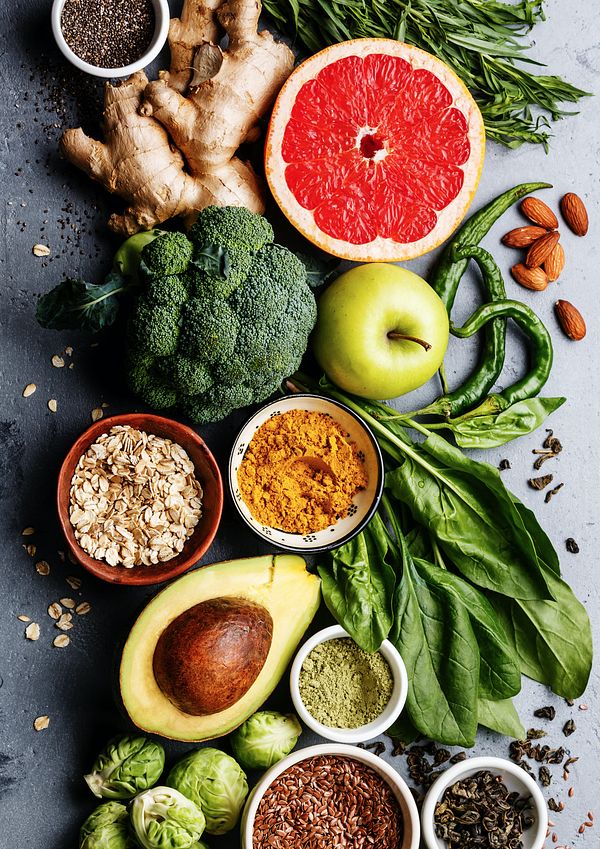

As a culture we seem to have arrived in a place where whatever native wisdom we once possessed about eating has been replaced by confusion and anxiety. Somehow this most elemental of activities has come to require a remarkable amount of expert help. From the atkins diet, to red meat and cardiovascular disease, opinions on ‘dinner’ remain in contention. The largest of which rests with meat-eating. Humans have been killing animals and eating meat for years without any ethical heartburn and yet is now morally problematic.
The horrors of industrial farming, its global consequences, and surrounding debate are nothing new. What propelled me into writing an article on this topic was the fascination behind its history. Looking through an antiquity lens seems to have brought up an unavoidable question of morality and animal rights. What could once be considered the fringiest of fringe notions, has now entered the cultural mainstream.
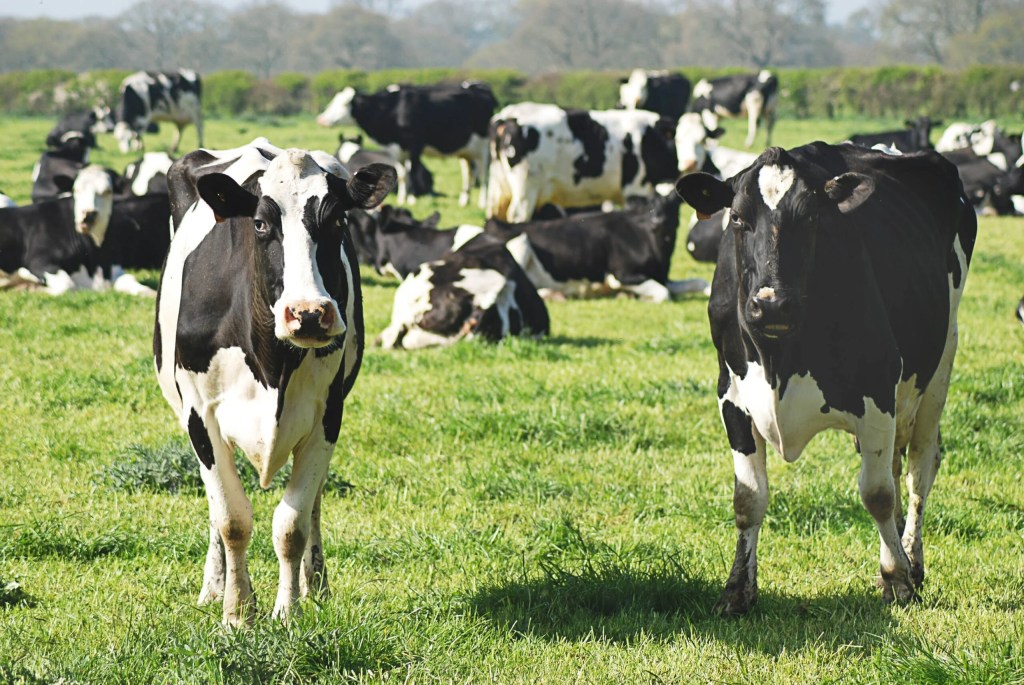
Animal rights have a schizoid quality, in which sentiment and brutality exist side by side. Half the dogs in the UK will receive a Christmas present this year, yet very few of us ever pause to consider the life of a pig – easily as intelligent as a dog – that will become the Christmas Ham. One by one science is dismantling our claims to uniqueness as a species, resulting in an extension of our circle of moral consideration to other species. Who knows where this will take us. It may be that our moral enlightenment advances to a point where the practice of eating animals – like our former practices of keeping slaves or treating women as inferior beings – will be seen for the barbarity it is, a relic of the ignorant past that fills us with shame. What I do know, is the conversation about ‘dinner’ is here to stay.
Of course we have the various means to object to the killing of animals based outside its morality. Agriculture is a major source of both nitrous oxide and methane emissions in the UK, accounting for 69% of total nitrous oxide emissions and 48% of all methane emissions in 2020. This has been my motive and the biologist in me wants to teach about vegetarianism, veganism and alternative diets, yet I cannot find a way to argue such a complex and intricate topic. Indeed at risk of being preachy, the advantages of a plant-based diets (which can include small amounts of meat) outweigh that of solely a meat eater – despite what you may hear. No one is arguing that these plant-based alternatives have a green halo, in which they do not contribute to our climate crisis. But this is nothing in comparison to beef, lamb, pork and chicken. Even the “greenest” sources of meat still produce more negative climate effects than plant-based proteins.
But regardless of the scientific view, I respect the political, cultural and religious debate surrounding our diet and consequently cannot argue cohesively about such a broad topic. Instead, I want you to talk a walk with me through my process of understanding the morality around eating meat, understanding domestication and equality. I invite you to critically analyse these thought processes to decide where you yourself sit on the spectrum.
So where do we start?
It is important to consider domestications’ origin, not just from a logistical perspective but from a moral one. A defence for the controlled cultivation and consumption of animals lies in our dominance over them, which can be argued as a sign of our superior quality and thus deserving of life history manipulation. An argument that fits with our own idea of ‘nature’ and survival of the fittest. However, taking a view through the lens of history shines light onto how humans contravened this ‘natural’ order of things to solidify this belief.
THE HUMAN SUPERIORITY COMPLEX
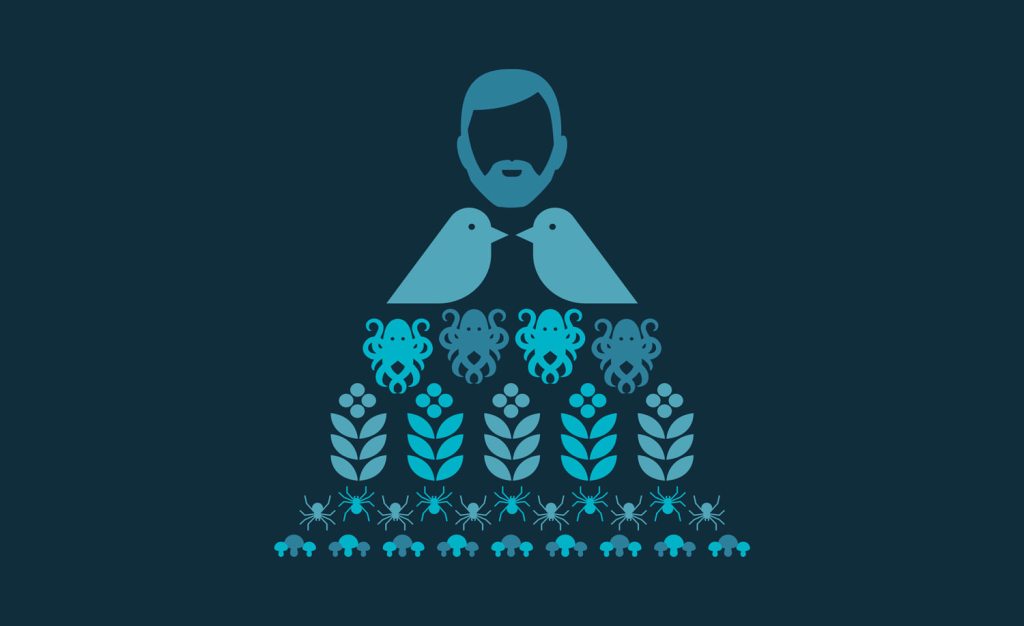
I want to quickly explore this. Humans (consciously or not) claim superior intelligence in relation to that of the other thousands of intelligent and conscious animals we don’t fully even understand. There are a plethora of arguments and reasons for this but whatever the answers, we don’t just believe in our supremacy; we act on it at every opportunity. We set up a predetermined and premeditated game in which we win and other animals lose. And then we spread the false tale that the competition is not rigged, that other animals have an equal chance of winning, that an eye-for-eye struggle to the end between humans and other species is inevitable.
This imaginary conflict of interest looks particularly absurd
when weighed against our practice of artificially breeding 60 billion
land animals only to kill them at weeks or months old every year, along with
another trillion or so aquatic animals — not for any valid reason of health or survival,
but just for profit and palate pleasure. While we wield the destructive power that supports the staggeringly cruel and unnecessary suffering-for-profit industries, we maintain that it is equitable, simply natural. Consequently, we must cling to that ancient belief of superiority to justify our abuse of power.
Prior to the agricultural and cognitive revolution, organisms evolved in isolation for millions of years resulting in a planet Earth with distinct ecosystems, each made up of a unique assembly of animals and plants. While I want to refrain from romanticising the past, it is fact that Homo sapiens put an end to this biological exuberance. For 2 million years the flora and fauna within Afro-Asia had been carefully evolving alongside Homo sapiens, understanding how to co-exist in a balanced ecosystem. However, our cognitive expansion and mastering of fire agriculture meant we (relatively) rapidly expanded out of Afro-Asia to meet fauna that had had no time to evolve a fear of human beings. It is estimated that within 2,000 years of Sapiens arrival on the Americas, North America lost 34 out of its 47 genera of large mammals, South America 50 out of 60. No species has, or likely ever will, dominate such a vast area of terrain. It should become clear that all animals and their descendants were to fight a ‘losing’ battle. I would argue all the animals we cry out to protect are but fragments of the picture before human expansion.
As we spread across the globe, our nomadic lifestyle started to dwindle. Thanks to the agricultural revolution, permanent settlements started to arise and alongside it selective hunting. Let’s use sheep as an example. Humans learned that it was to their advantage to hunt only old or sick sheep, sparing the lambs and the fertile females to safeguard the long term vitality of the herd. It is then likely humans would have corralled the herd into an easily controllable and defendable landscape. Over time this selection became more defined, slaughtering the more aggressive and skinner sheep. With each passing generation, the sheep became fatter, more submissive and less curious. Voila. The result is a heard of submissive and domesticated sheep
. Tens of thousands of years ago, not more than a few million sheep, cattle, goats, boars and chickens lived in restricted Afro-Asian niches. Today the world contains about a billion sheep, a billion pigs, more than a billion cattle and around 25 billion chickens across the globe. From an evolutionary perspective, the agricultural revolution was a roaring success. The natural lifespan of a chicken is 7-12 years and of cattle 20-25 years. While I grant you many of these animals wouldn’t have lived to that age, they at least had a chance of living for a respectable number of years. In contrast, the vast majority of chickens and cattle now are slaughtered at the age of between a few weeks and a few months as this has always been optimum from an economic perspective. For the ‘lucky’ ones, the price of life is subjugation to a whip-wielding ape.

To domesticate these free-roaming animals, their natural instincts and social ties had to be broken, their aggression and sexuality contained, and their freedom and movement curtailed. We developed pens and cages, harnesses and leashes, whips and cattle prods. While evolutionary successful, cattle likely represent one of the most miserable animals on the planet and I believe it is at this point we reach the most immoral part of our agricultural history.
Which then made me think. If I am to recognise suffering then I must consider happiness too. This would seem to exist in the opportunity for the animal to express its creaturely character – its essential pigness, wolfness, chickeness etc. But for the domesticated animal (wild animals are a different story) to live the ‘good life’ – as I’ll call it – simply doesn’t exist and cannot be achieved apart from humans. So to think of domestication as a form of slavery, is to project a human idea of power onto what is a mutualistic and symbiotic relationship. At its heart, domestication is an evolutionary – rather than political – development. While animals grew tame and lost their ability to hunt in the wild, humans traded their hunter-gatherer lifestyle for that of an agriculturalist and changed biologically to rely on their farmyard friends (for example, humans evolved the ability to digest lactose as adults). Much like the wild, predation is not a matter of morality or politics; but symbiosis. Brutal as the wolf may be to the individual deer, the herd depends on him for their wellbeing. Without predators to cull the herd, deer overrun their habitat and starve.
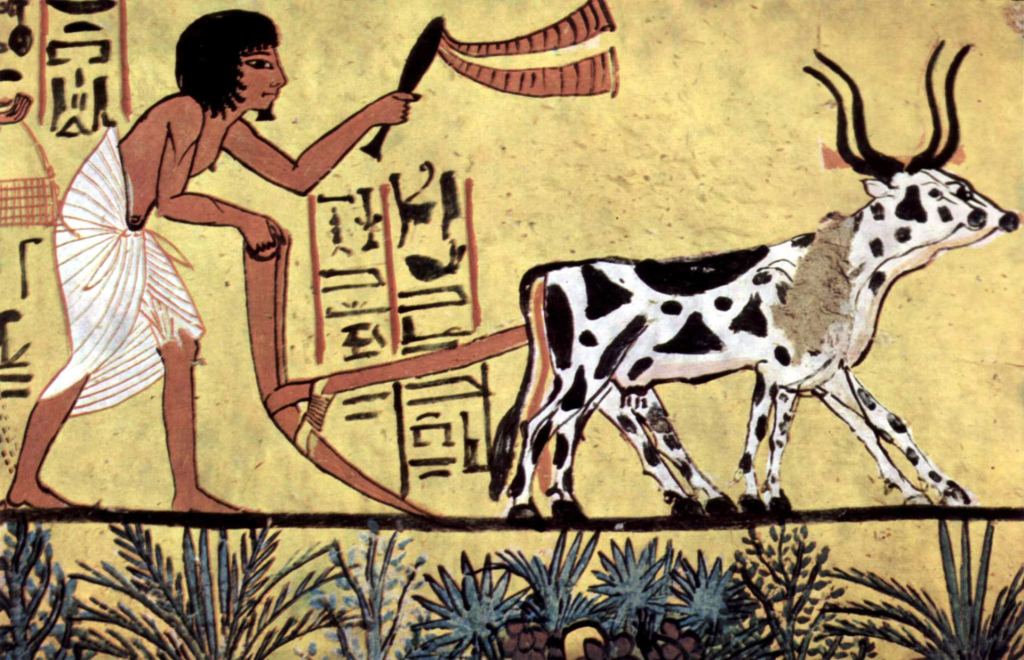
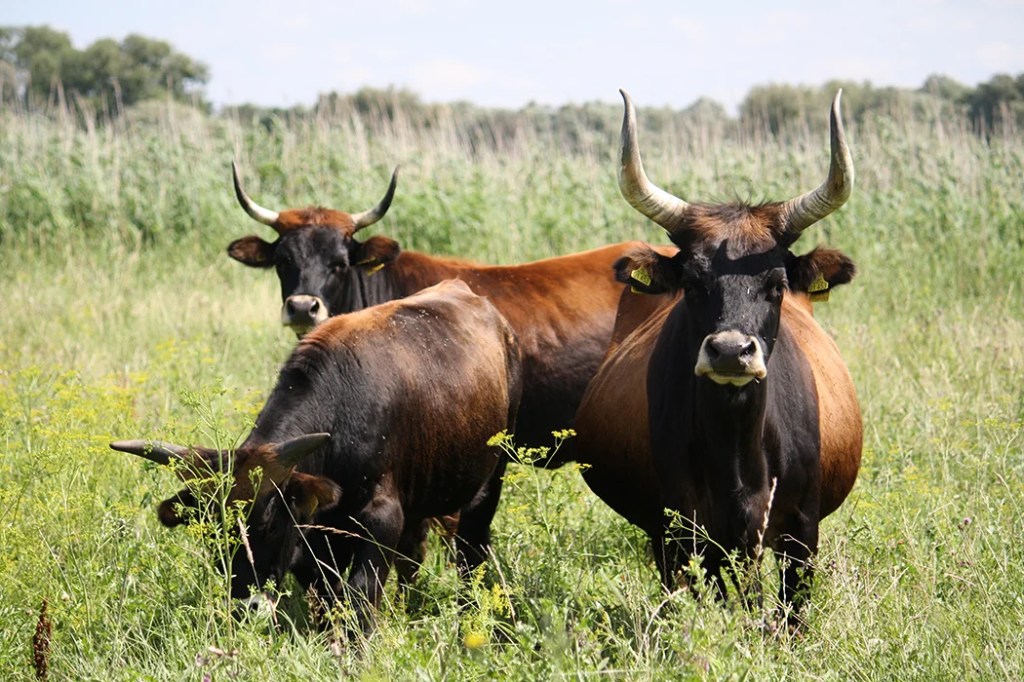
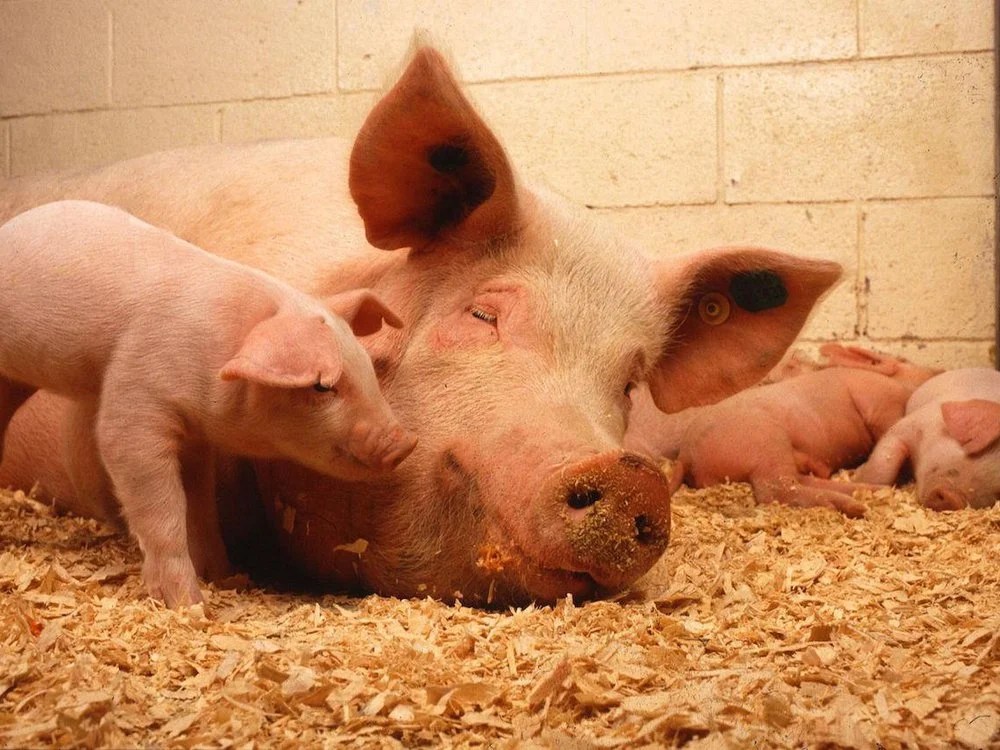

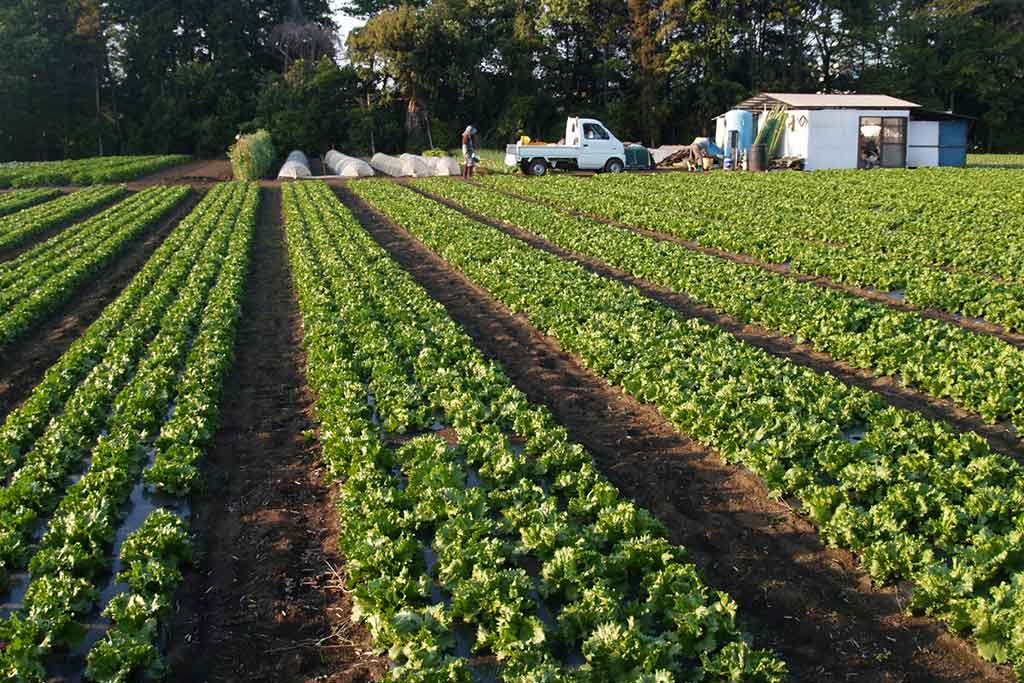
So is it moral? I think this really puts into perspective the complexity of this topic but what I would like you to take away from this section however is the meaning of ‘evolutionary success.’ In a complex world of emotions and sensation, how does evolutionary success translate to individual happiness? In my eyes, increasing the collective power and ostensible success of our species, goes hand in hand with individual suffering. But I’ll let you digest that one.
Do non-human animals deserve more consideration?
In 1975, Peter Singer wrote a book called Animal liberation in which he proposed an argument using the concept of equality. In reality humans are not equal, some are smarter than others, handsomer, more gifted, etc. Really equality is a moral idea, not an assertion of fact. The moral idea posits that everyone’s interests ought to receive equal consideration, regardless of what they are like or what abilities they have. Therefore, if possessing a higher degree of intelligence does not entitle one human to use another for his or her own ends, how can it entitle humans to exploit non-humans for the same purpose?
Instantly, you would reason that a pig and a human are not comparable and so cannot be treated the same way. But equal consideration of interests is not the same as equal treatment. It is when their interests are the same, the principle of equality demands they receive the same consideration. And the one all-important interest humans share with all sentient creatures, is an interest in avoiding pain.
To exclude a chimp from moral consideration simply because he is not human is no different than excluding the slave simply because he is not white. In that same way that exclusion would be racist, this would be ‘speciesist’. I guess many of us would accept this, I don’t think I would really mind being called a ‘speciesist.’ But will writers someday come to regard speciesism as an evil comparable to that of racism? And do I want to be on that side of history?
Maybe we should reserve moral consideration for those that understand it? But then I bring you to the argument for marginal cases. For the two day old infant and the advanced Alzheimer case who cannot take part in ethical decisions any more than a monkey, why are they granted rights? To believe that is fair, would once again be ‘speciesist.’ *

*Although people have mothers, fathers, daughters, and sons which does make our interests in their welfare naturally deeper than that of the most intelligent ape.
While the level of consciousness among fauna could be thrown into contention, it is the general consensus among scientists and philosophers that when it comes to pain, higher animals are wired much like we are. This is the argument proposed by many animal rights supporters but we must be careful of projecting our idea of suffering onto them and using this as a cause for immorality. There is a qualitative difference between pain and suffering that can be found in language. By virtue of language we have the ability to have thoughts about thoughts and imagine what is not, so we can draw a distinction between pain – which a great many animals experience – and suffering which requires a degree of self-consciousness. Suffering in this view is not just pain but pain amplified by distinctly human emotions such as regret, self-pity, humiliation, and dread.
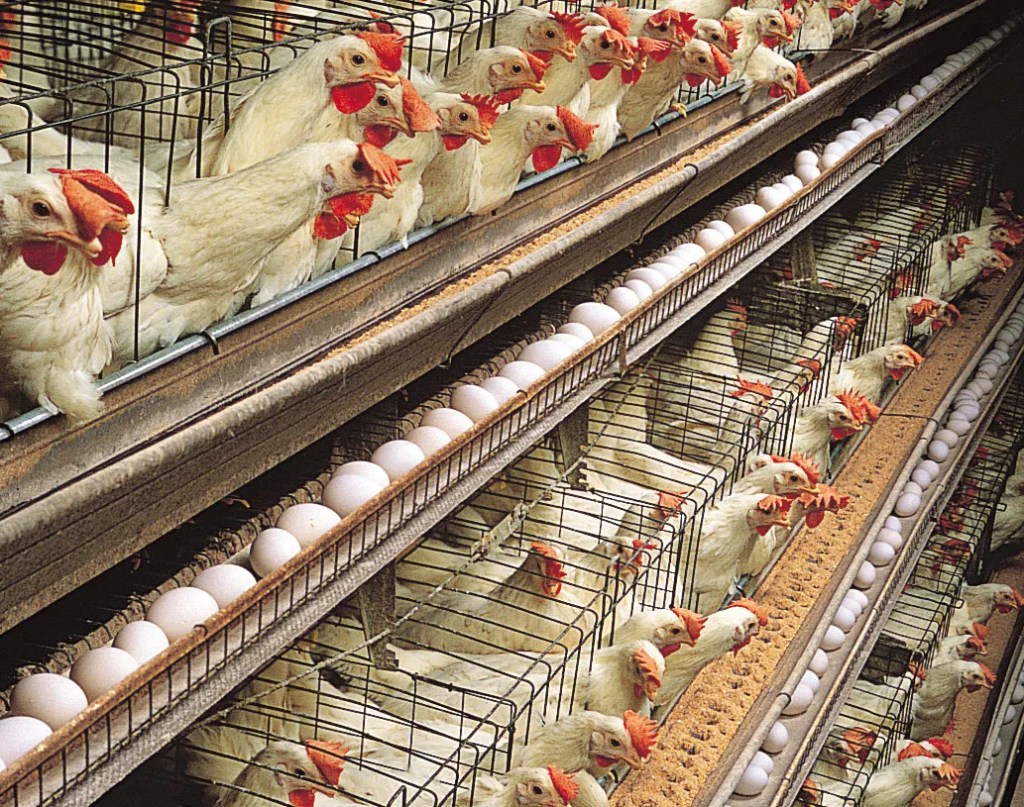
But then this brings me full circle, to industrial farming, where these distinctions turn to dust. To enter into a place where for all its technological advancements, animals are designed on seventeenth century Cartesian principles: they are ‘production units’ incapable of feeling pain. Since I can concur that no morally conscious human can believe this myth, its propagation must depend on a suspension of disbelief by the people who operate it and the willingness to avert one’s eyes on the part of everyone else.
This highlights the tension that has always existed between the capitalist imperative to maximise efficiency at any cost and the moral imperatives of culture, which historically served as a counterweight to the moral blindness of the market. Once again another example of the cultural contradictions of capitalism – the tendency over time for the economic impulse to erode the moral underpinnings of society.

Before we round off the post, I want to take a moment to recognise how parochial, and urban, the ideology of animal rights really is. To contemplate such a question could only thrive in a world where people have lost contact with the natural world, where animals no longer pose any threat to us, and our mastery of nature seems unchallenged. We no longer need to eat meat to survive, so does this change our level of responsibility? I would argue these are all relatively recent developments and have likely contributed to the now contentious question, ‘what’s for dinner?’
Having discussed the morality and ethics around eating meat, I would argue what’s wrong is the practice; not the principle. Peering through a historic lens shows that people have never lived at quite so great a remove from the animals they eat. Taking a life has always been momentous and people have been justifying the slaughter of animals for millions of years. But in the place of religion, rituals and respect, our modern day meat industry survives on the industrialisation and brutalization of animals, propagated by our economic desires. Sometimes I think all it would take to clarify our feeling, would be to pass a law that requires all industrial farms to replace their metal sheeted walls of the slaughterhouse to glass. No doubt the sight of these places would turn many to vegetarians. I would conclude then, the doubt in our morality and ethics lies in the fact that we no longer eat animals with the consciousness, ceremony and respect they deserve.
Throughout the process of writing this article, I felt new questions started to take shape. How is politics, economics and society ingrained in the way we view plant-based diets? Is vegetarianism used as a political tool and does it have left-leaning connotations? Why? Is there an economic opposition arising from those that benefit from suffering-for-profit industries? And to what extent does society play a role in creating a paradigm shift in the way we ask ‘what’s for dinner?’
Clearly another article is on its way….
A bit of inspiration
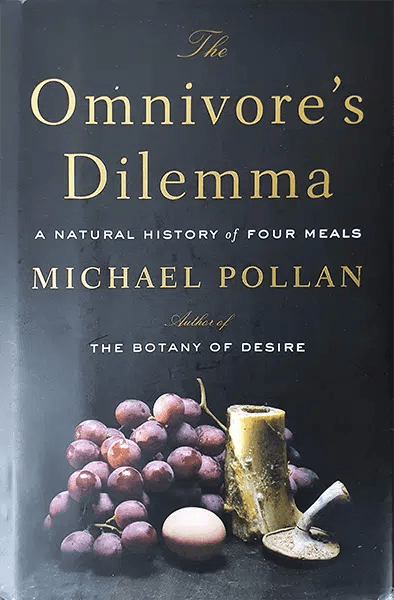
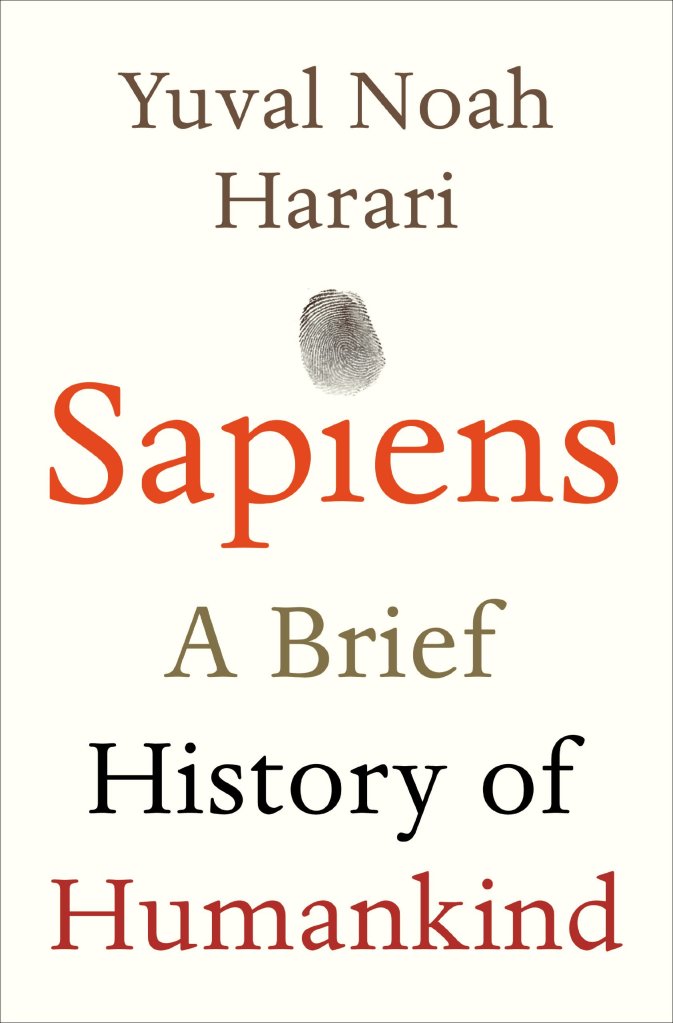
 Newscleus