
This article has a little less direction than my previous posts, but I feel it was more of a necessary cathartic process. I’m more than aware of the challenges faced when attempting to engage in the climate crisis, whether that be due to anxiety, distraction or apathy. What I hoped to feel writing this was reassurance that my desire for radical action does not come from a place of malice. I hoped to rectify this anger by rationalising the steps, my own steps, from climate anxiety to green anarchism.
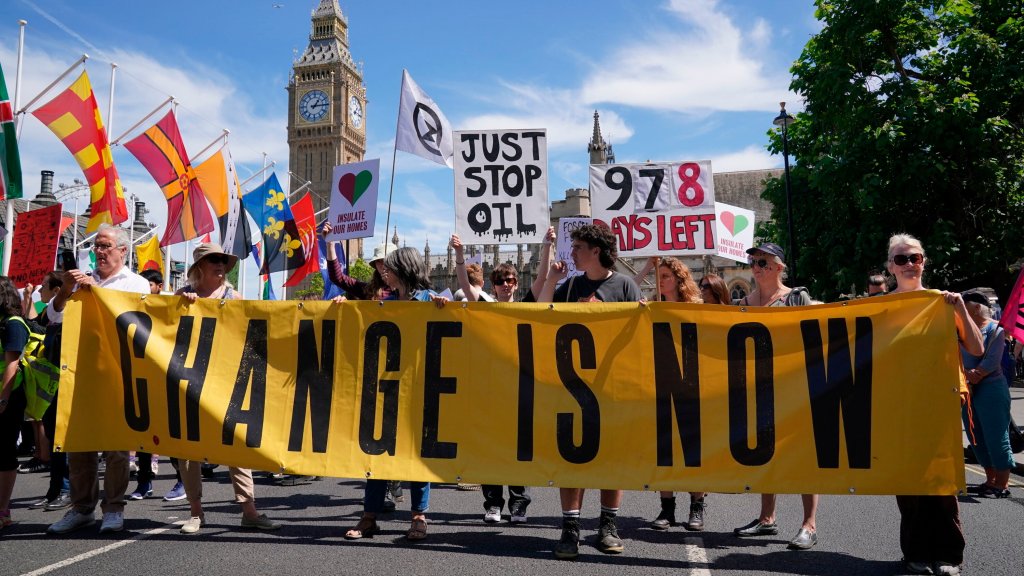
IT’S A HARD PILL TO SWALLOW
Emotive engagement is required to fully understand climate breakdown. Yet I know, you know, we all know, that a certain level of soft climate denialism is essential to life. Connecting too deeply with our climate crisis often culminates in anger, depression and fear. Awareness of our changing climate is not a new phenomenon. In 1965, the US President’s Science Advisory Committee (PSAC) predicted that, by the year 2000, there would be ‘measurable and perhaps marked changes in climate’ that ‘will almost certainly cause significant changes in the temperature and other properties of the stratosphere. By 1988, when the intergovernmental panel on climate change (IPCC) was formed, the risks associated with man-made global warming were evident.
It was around 2017-2018 when the framing of climate change became altered in the mainstream. What was once a monitoring activity that warned us of the future, was now an impending crisis that required immediate intervention. The anxiety that had been boiling in the scientific circles for some time had burst at the seams, engulfing anyone who engaged with climate knowledge. Unfortunately, what reports like the IPCC’s call for are ambitious political solutions: globally, ending the use of coal, substantially reducing fossil fuels and shifting to renewables. They call for the use of carbon capture technologies not yet existing at viable scale. Changes like this, if implemented, would totally transform a globalised capitalist economy reliant on fossil fuel extraction and uncosted air, road and sea emissions and disposable goods. Taken together they would involve a substantial modification of what we currently recognise as the global economy. Realistically this is an unattainable target for our current trajectory, and that’s a hard pill to swallow.

What is Climate Anxiety and how can it manifest?
2017 was a real turning point, especially with the publication of ‘The uninhabitable Earth’ written by David Wallace-Wells in the New York Times, now its most read essay in history. If you have time to stop here and read, please do. This is evidence enough for the phenomena we call climate anxiety. This has been defined as “a chronic fear of environmental doom.” A depressive feeling, but one where crucially, you hold no power nor can you ever. A problem so large that it is incomprehensible to our brains and incalculable to fix.
On the one hand climate anxiety can motivate people to leave behind their lives but on the other it can do the exact opposite. Such clear-sighted recognition of a catastrophe will motivate some, such as XR (Extinction Rebellion) and JSO (Just Stop Oil) participants, to engage in climate activism and alter their perceived unsustainable way of living. This pragmatic absorption in the climate crisis however requires a pre-existing faith in the efficacy of such activism. Writers on climate anxiety have argued that such catastrophism demotivates people through despair and undermines their agency and very autonomy. More and more people around the world have been reporting anxiety, depression and suicide ideation as a result of climate change impacts. It is reflected in the growing public awareness and understanding of the validity of the existential threat facing humanity. It seems that for some, this debilitating anxiety has become partnered with hopelessness about our apparent near term-extinction. Such depression likely paralyses any sense of agency and diminishes any rational hope or motivation to respond to the existential risk in the present.
Yet this is still not the most common response. Not everyone has ‘climate anxiety’, it would probably even be a gross generalisation to say everyone cares about the environment. It’s evident from the paragraph above that emotively engaging in the climate crisis, can result in an unhappy and unsustainable quality of life. So I guess there is value in ignorance. Attaining a certain level of soft climate denialism, weather recognised or not, is going to benefit you in the present which is always more certain and physical than the future. People also conceptualize things that are psychologically distant from them (in time, space, or social distance) more abstractly than things that are psychologically close. Therefore, most people are not forced to grapple with the specifics of climate change. Hearing of weather disasters halfway across the world can be treated as an abstract concept. And abstract concepts simply don’t motivate people to act as forcefully as specific ones do.
So is it a problem for democracy?
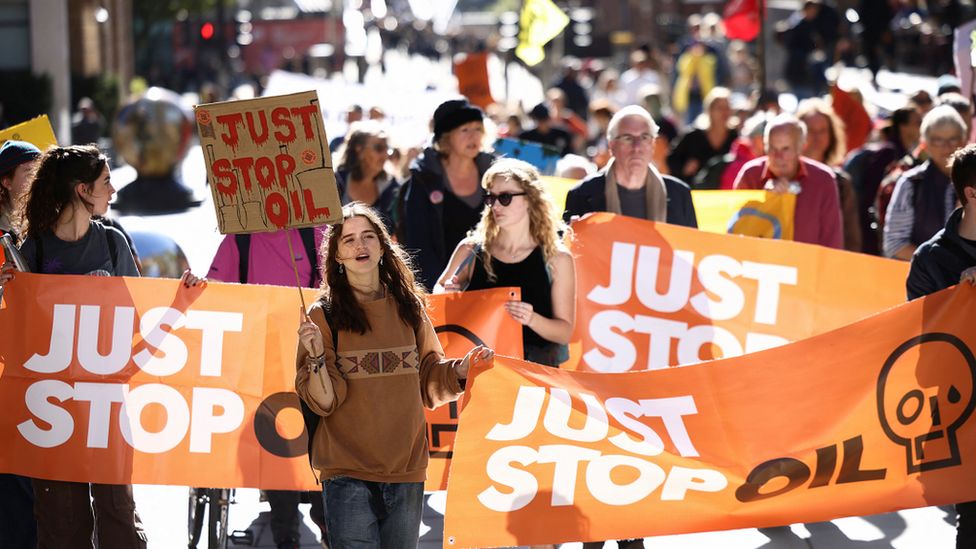
If such catastrophism is engaging the public in activism then in this can we find a foundation for confronting the problem of climate anxiety as a public problem for democracy. The emergence of ecological and green anarchism, although still in a moderate stage, does exactly this. Crucially, these protesters approach systems from the perspective of totality, so democratic actions and democracies themselves are recognized to be reproducing and reinforcing the systemic climate problems i.e. capitalist markets, political structures, technocratic decision-making processes.
This is not unusual as extracting and profiteering from ecosystems and environmental destruction across liberal and state capitalist economies has been instrumental in cultivating the current ecological crisis. This evidently undermines democracy as a whole and while currently not the major line of protesting, the continuous repression of speech by the UK government will likely bolster this belief. Isolating, alienating and diminishing protesters who engage in this more radical dogma is only enhancing their distrust in the system and worsening climate anxiety. Instead spaces for public deliberation around climate change need to be developed, meaning citizens can become better informed about the nature of climate change and hear/debate proposed responses to adapt and mitigate accordingly. Not only will this help individuals understand ways in which they can participate, but it’ll help them becomes more aware of their hopes and fears collectively. Recognising they are not alone creates a sense of commonality and agency that engenders confidence in a shared capacity to act, alleviating the paralysis of climate anxiety and green anarchism to a shared extent.
Unfortunately, the implementation of the Public Order Act and its revisions seek to criminalise those who give the climate crisis a voice. Consequently we are observing what I can only describe as an ‘evolutionary arms race’. As climate activists become louder and more ‘radical’, the state turns to more oppressive techniques, silencing any meaningful chance of collaboration and change. It’s also worth noting the loaded term ‘radical’ as I would struggle to categorise the actions of the climate groups today just that. In its context of what is essentially self and global annihilation, civil disobedience in the name of survival seems more than justified. If climate change poses such an extremely serious threat to basic rights worldwide – risking hundreds of millions of lives – then the people’s right to democracy, and therefore disruption, surely can be deemed necessary to achieve climate change mitigation.
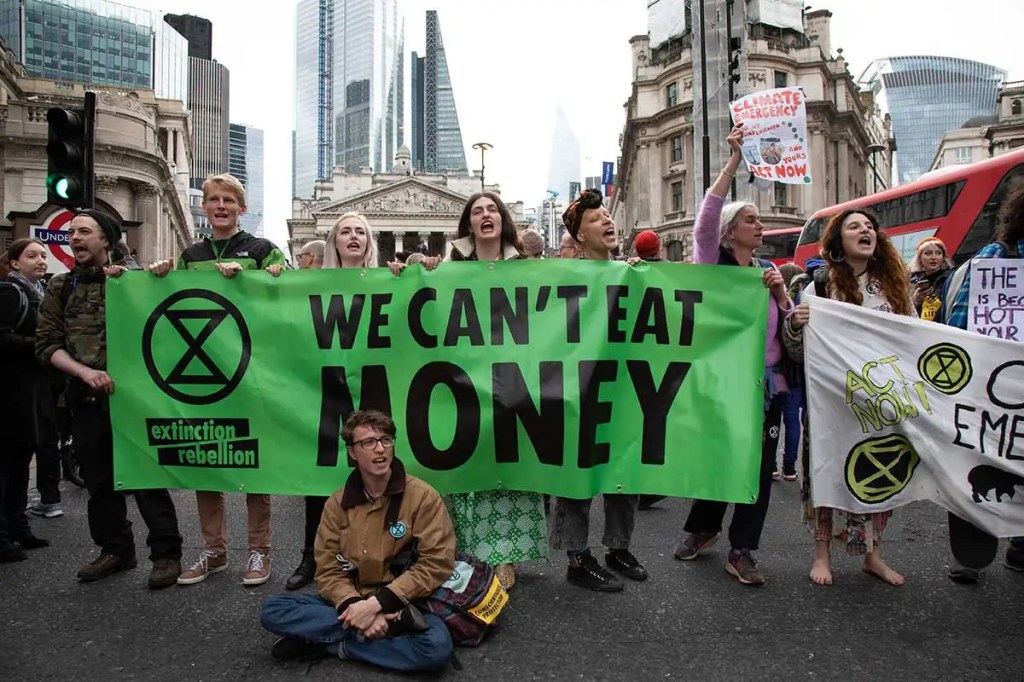
Naturally there is so much debate surrounding the efficacy of radical climate protests, with many saying it likely discourages those they very aim to recruit. But this debate should not be between those who want to take ‘moderate’ or ‘radical’ action,” It should be between those who are standing by doing nothing at all, and those who are doing something. That’s where the line should be drawn.
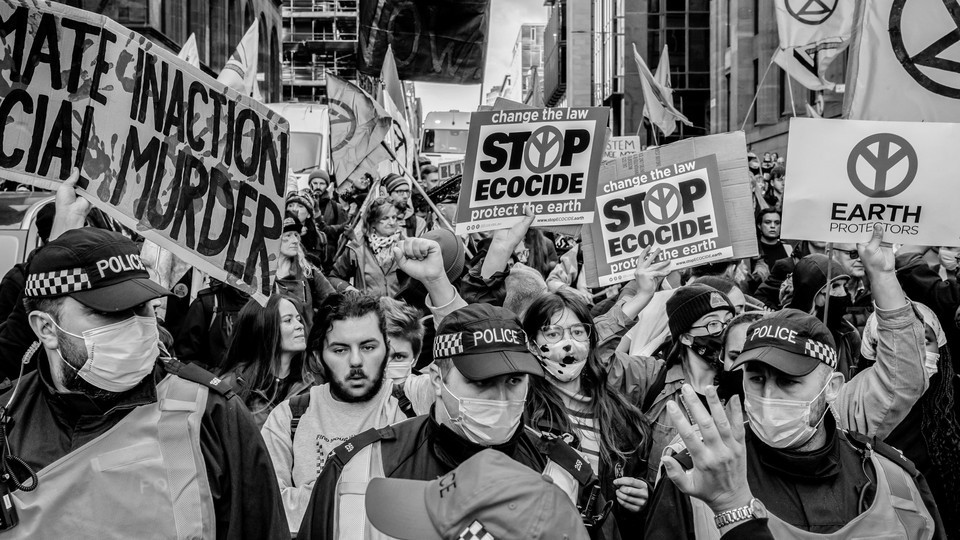
But I know you want the answer to this question anyway, why can’t people just get off the road?
“The greatest threat to our planet is the belief that someone else will save it.”
— Robert Swan
Climate activists today hold many similarities to the countermovement tactics of the past. It is so critical to specifically identify their behaviour, as many of the more ‘extreme wings’ on the climate movements are acting within what is called civil disobedience. Civil disobedience refers most generally to “a public, nonviolent, conscientious yet political act, contrary to law, carried out to communicate opposition to law and policy of government”. This tactic of demonstrations, rallies and marches can be organized for one day or over hundreds of days, ranging from climate camps and counter-demonstrations to elite meetings. These are the very acts that won the Nobel Peace Prize for Martin Luther King in 1964; precisely, the effective, non-violent, large-scale rallies that contributed to the downfall of apartheid in South Africa. The anti-sweatshop campaign of the 90s and the women’s suffrage movement are a few examples of civil disobedience that you wouldn’t dare critique in hindsight. The only difference here is we are not talking about the oppression or destruction of a group or faction of people, but the human race on a global scale.
The goal of civil disobedience, then like now, has always been to wake up with shock actions a public that too often is apathetic, distracted or slumbering into everyday life. The very disruption and anger it causes, and its consequent media coverage, is evidence that these acts could be interpreted as a success. If indeed these acts help permanently retune public debate towards the momentous challenge of our climate crisis, then it should be encouraged by those who care about our future on this planet. It’s also true that conversations which discuss the so-called ‘radical’ flank of climate activism, advances the entire movements agenda as it renders the demands of their mainstream counterparts more palatable.
The rise in disruptive climate protests, unfavourable to all, has had to happen. Not only is time running out, no one is listening nor is change coming fast enough. This disenfranchisement means that when people feel their activism to champion an issue fails, they’re much more likely to use more radical tactics. As climate protesters face increasingly draconian ant-protest laws, they have no choice but to be more disruptive. The question that should then be asked, is where do we see these protests going? In the same way we may refer to MLK as the JSO/XR branch of the climate movement, then when will the Malcom X and Black Panthers appear, and what will they bring with them? This problem is not going to go away, as much as the public may not ‘like’ the action of certain climate activists, responses will inevitably get more extreme. Anger is building. While we scoff and complain about unpermitted ‘illegal’ marches, guide books on eco-sabotage and blockades are already being written and published by the likes of Earth First and The North East Forest Alliance. Some of these subversive tactics are already employed and imagined in the space of climate action. As just a single example in the United Kingdom, a saboteur in 2008 breached the most heavily guarded power station in the country (the Kingsnorth station in Kent) when they ruined one of the plant’s 500 MW turbines and left a homemade poster protesting coal. That single act forced the coal and oil-fired facility to suspend electricity generation for four hours, cutting power to the surrounding villages. If you sit and wish that this civil disobedience wouldn’t add an extra hour to your commute, take a second to reflect on where these movements could head if they are not confronted and instead repressed.
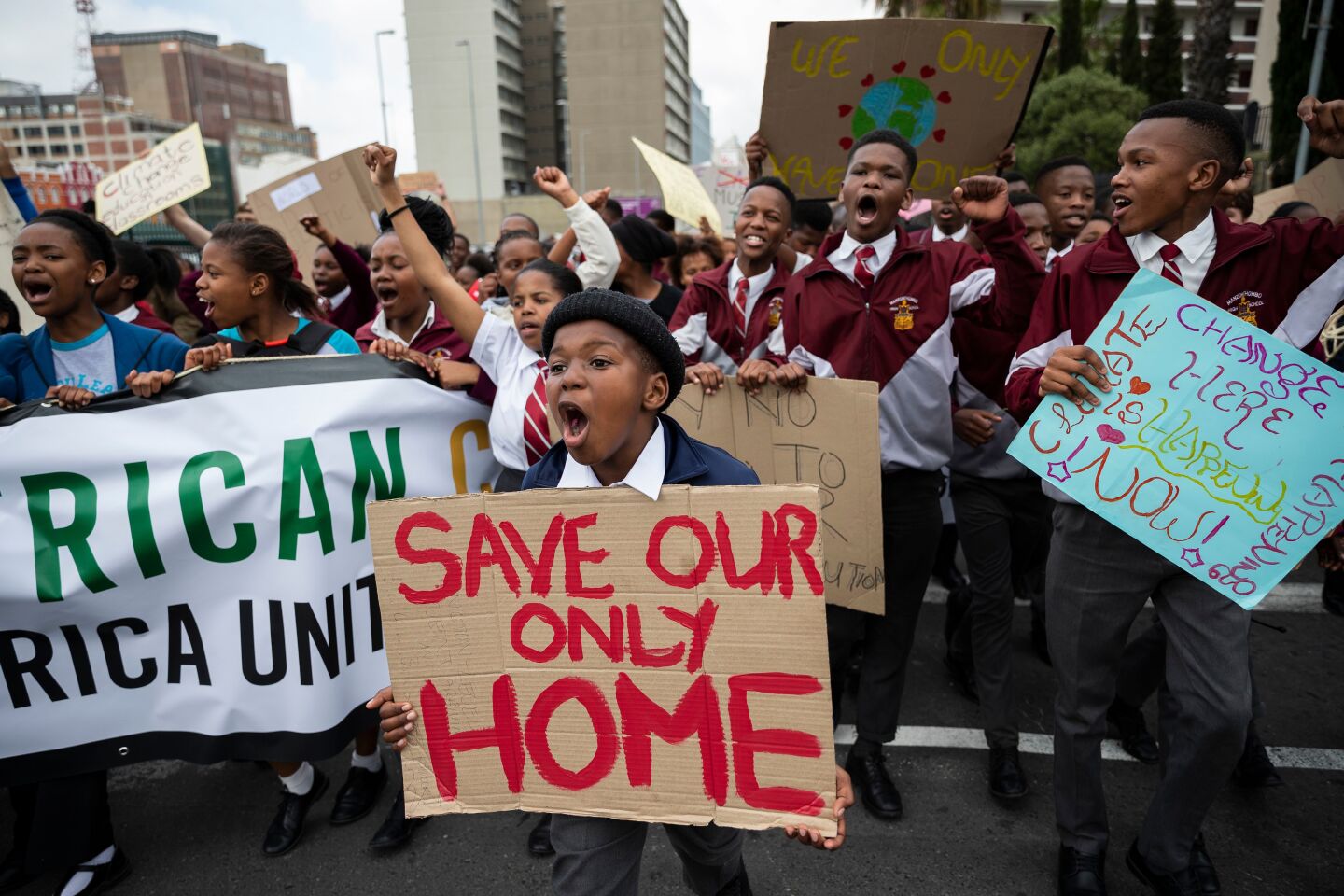
Who’s a part of these protests?
This is an interesting question. I hate the use of the word woke and its use as a political tool. Not only does it hold absolutely no meaning, it has been used to degrade the actions of climate protesters. So who are the perpetrators? Are they the ‘woke’ anarchist left or people just like you?
The easiest demographic to decipher is age and the fact that these actions are led by young activists makes perfect sense. The latest IPCC report has powerfully illustrated how the world is sleepwalking towards climate catastrophe, and this will affect, in particular, generations who are currently in their youth. Millennials are not fragile, it is a generation overwhelmed by several, overlapping, systemic crisis and given the patronizing advice like skip the lattes and avocado toast. Naturally there is anger here but while the young may be overrepresented in leading these mobilizations, evidence suggest the protest events themselves actually hold a lot more heterogeneity. They involve a variety of ages and social groups, suggesting that these mobilizations have the potential to forge cross-class coalitions. While it proves class belonging does not impact the activists perceptions of science and the climate crisis itself, studies suggest that upper-class protesters tend to trust and rely on governments/companies in solving environmental problems to a greater extent than do working- and middle-class activists.
It has to be said that although there is a deep distrust of government, politicians and corporate actors within these circles, they are not disillusioned with politics as such. One study claimed climate protesters understood technological policy options and broadly shared prioritising similar systemic changes. It appeared that many activists are scientists or environmental professionals themselves who evaluated policy options from perspectives informed by expert knowledge. So while they distrusted companies and political parties, they were happy to draw on information from publicly financed scientists and established NGOs. This raises important questions about education as it would suggest a level of educational cohesion is essential to the make-up of these groups. Perhaps this is a real factor to target, increasing education in turn helps improve awareness, understanding and recruitment. So it appears then, having identities as system outsiders and placing a strong emphasis on alternative and revolutionary tactics does not preclude trust in and deployment of expert knowledges. When it comes to climate action, radicalism (belief in the necessity of system-change and use of extra-institutional methods) and science-led policy are not seen as contradictory. In short these protesters are not fanatics, they know what they’re talking about and act based on knowledge, not belief.
References
Corry, O. and Reiner, D., 2021. Protests and policies: How radical social movement activists engage with climate policy dilemmas. Sociology, 55(1), pp.197-217.
Capstick, S., Thierry, A., Cox, E., Berglund, O., Westlake, S. and Steinberger, J.K., 2022. Civil disobedience by scientists helps press for urgent climate action. Nature Climate Change, 12(9), pp.773-774.
Taylor, D., 2023. Climate anxiety, fatalism and the capacity to act. In New Interdisciplinary Perspectives On and Beyond Autonomy. Taylor & Francis.
Wallace-Wells, D., 2018. The uninhabitable earth. In The Best American Magazine Writing 2018 (pp. 271-294). Columbia University Press.
Markman, A., 2018. Why people aren’t motivated to address climate change. Harvard Bus Rev.

